
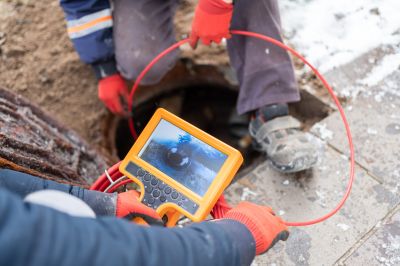
Drain Line Inspection in Cumming, GA
Drain line inspection services involve assessing the condition and functionality of a property's underground drainage system. This service is commonly used to identify blockages, leaks, or damages within sewer lines, storm drains, or other piping that carry wastewater and stormwater away from a home. Projects often include investigating persistent clogs, detecting tree root intrusion, or evaluating the overall health of aging drain lines to prevent future backups or costly repairs.
Homeowners typically request drain line inspections when experiencing slow drains, foul odors, or recurring plumbing issues. Before requesting this service, property owners should consider whether they have noticed any signs of drainage problems or unusual water behavior in their plumbing system. Understanding the specific concerns and the history of the property's drainage system can help determine the need for an inspection and ensure that any underlying issues are accurately diagnosed and addressed.
Many property owners in Cumming, GA look into Drain Line Inspection for repairs, replacements, upgrades, and appearance-related improvements.
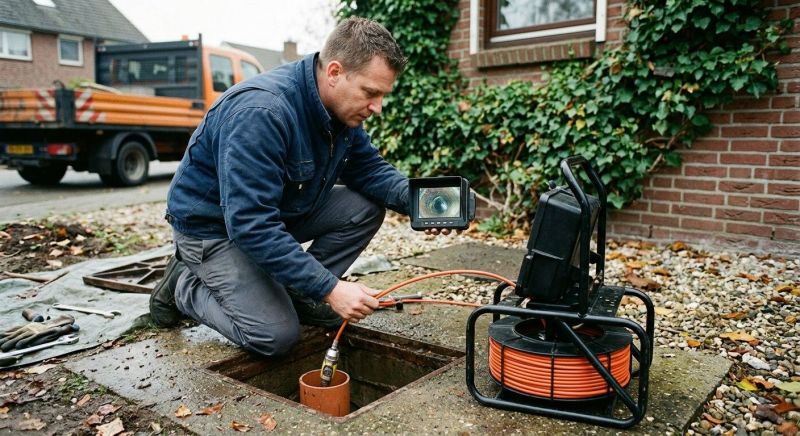
Drain Line Inspection Benefits
Helps identify blockages, leaks, and damage before they cause major issues.
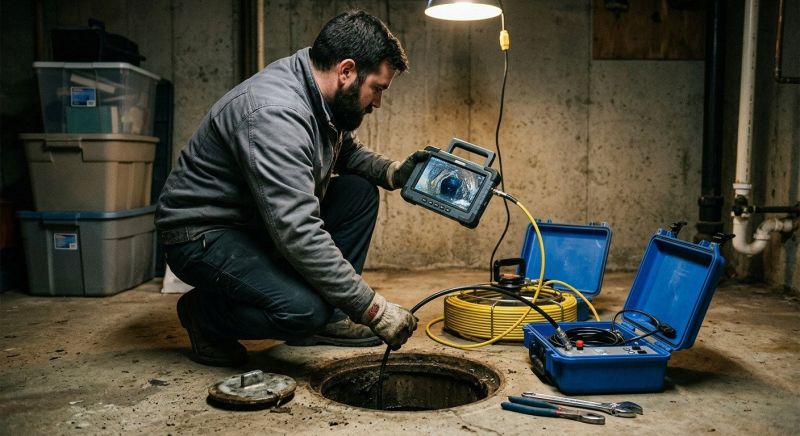
Common Inspection Situations
Useful for diagnosing slow drains, foul odors, or after recent repairs in cumming, ga.
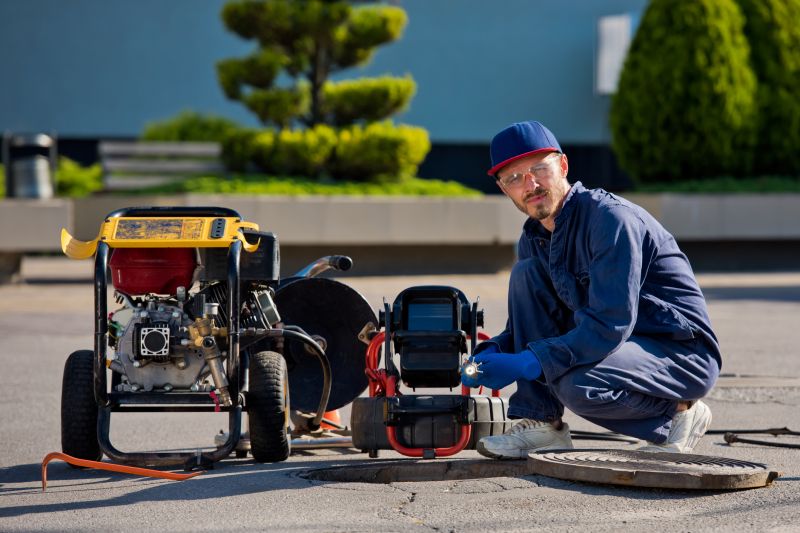
Inspection Techniques
Utilizes camera technology to provide a clear view of underground or hidden drain lines.
Drain Line Inspection in Cumming, GA
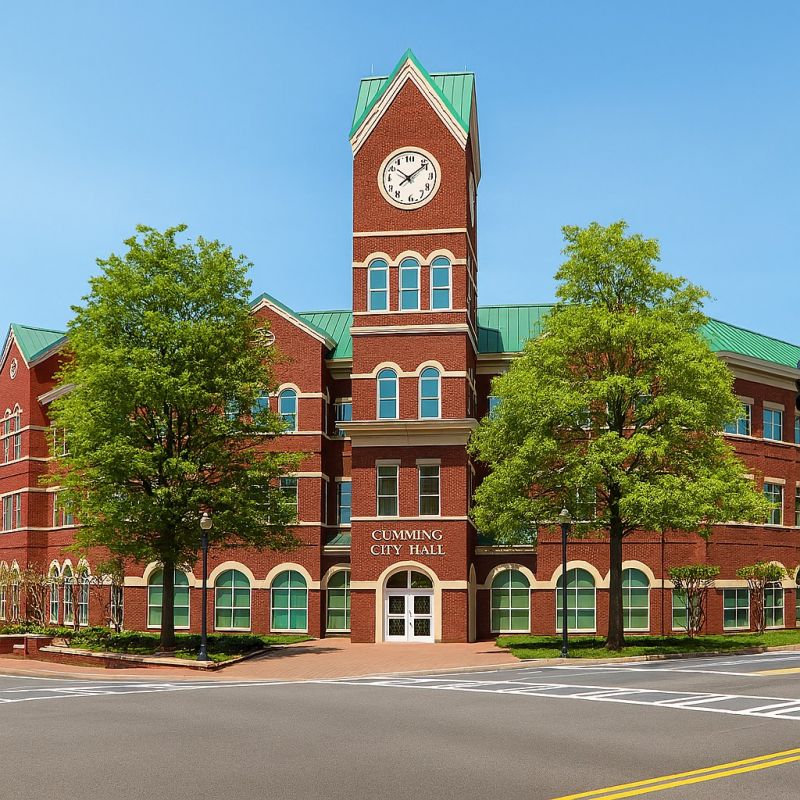
Drain line inspection services involve assessing the condition and functionality of a property's underground drainage system. This service is commonly used to identify blockages, leaks, or damages within sewer lines, storm drains, or other piping that carry wastewater and stormwater away from a home. Projects often include investigating persistent clogs, detecting tree root intrusion, or evaluating the overall health of aging drain lines to prevent future backups or costly repairs.
Homeowners typically request drain line inspections when experiencing slow drains, foul odors, or recurring plumbing issues. Before requesting this service, property owners should consider whether they have noticed any signs of drainage problems or unusual water behavior in their plumbing system. Understanding the specific concerns and the history of the property's drainage system can help determine the need for an inspection and ensure that any underlying issues are accurately diagnosed and addressed.
Many property owners in Cumming, GA look into Drain Line Inspection for repairs, replacements, upgrades, and appearance-related improvements.
Common Drain Line Inspection Jobs
Drain Line Inspection - Identifies blockages, leaks, and damage within underground drain lines.
Sewer Line Inspection - Detects cracks, corrosion, or root intrusion affecting sewer pipes.
Main Line Inspection - Checks the primary drain and sewer lines for obstructions or deterioration.
Drain Troubleshooting - Locates sources of slow drains, backups, or recurring clogs.
Pre-Repair Inspection - Assesses pipe conditions before repairs or replacements are performed.
Post-Repair Inspection - Confirms that drain repairs have been successfully completed.
Drain Line Inspection Questions
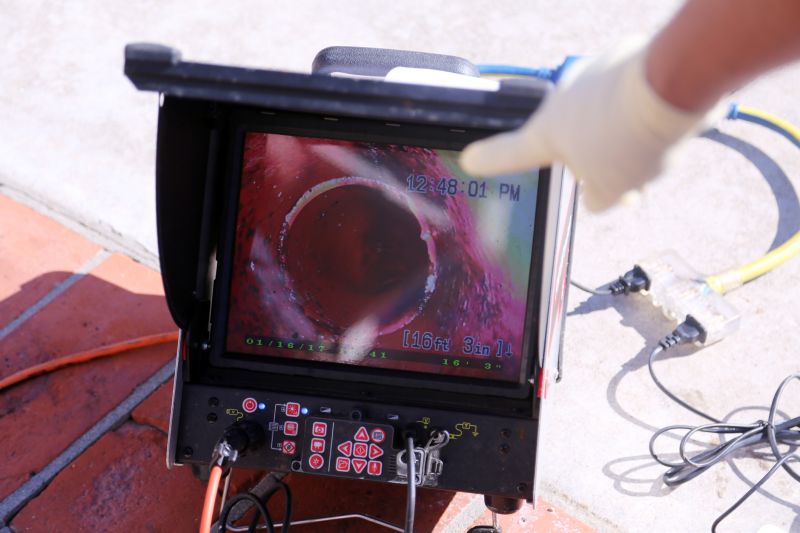
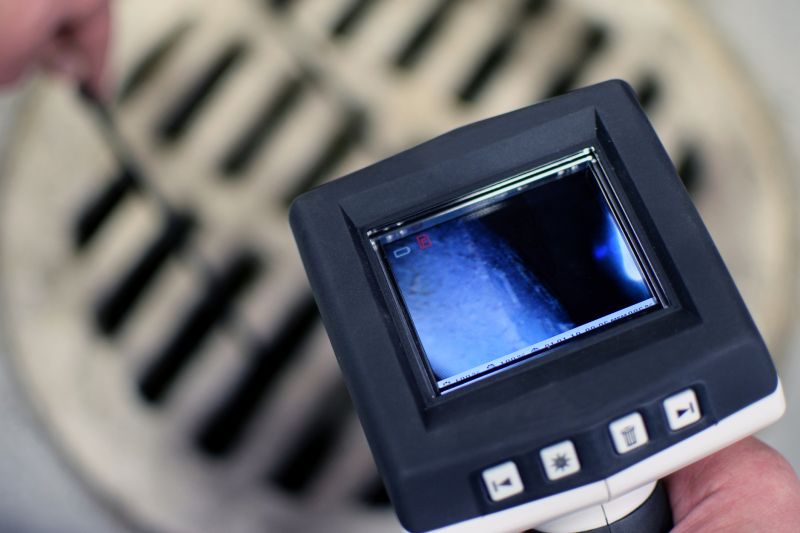
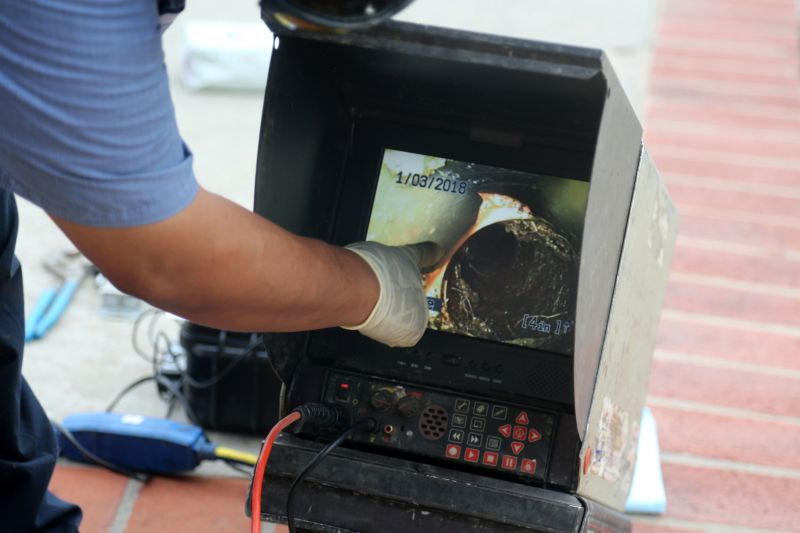
What is drain line inspection? It involves using specialized cameras to assess the condition of underground drain pipes and identify blockages or damages.
Why should property owners consider drain line inspections? Inspections help detect issues early, preventing costly repairs and avoiding potential backups or flooding.
What types of projects typically require drain line inspections? They are often needed during home inspections, before plumbing repairs, or when experiencing slow drains or recurring clogs.
How does a drain line inspection benefit property maintenance? It provides a clear view of pipe conditions, aiding in accurate diagnosis and planning effective repairs or replacements.
Request Drain Line Inspection in Cumming, GA
Use the quote form on this page to share the basics of your project and request more information for the type of work you need.