
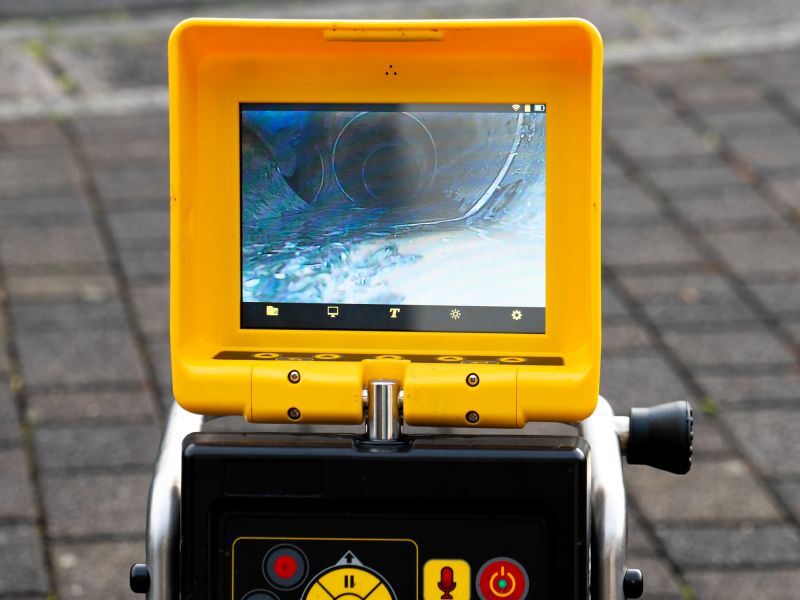
Drain Line Inspection in Fairfax, VA
Drain line inspection services involve the use of specialized cameras to examine the condition of underground or hidden plumbing pipes. This service is commonly requested for projects such as identifying blockages, detecting leaks, locating damaged or collapsed pipes, and assessing the overall integrity of drain and sewer lines. Homeowners often seek drain line inspections when experiencing slow drains, foul odors, backups, or after noticing water pooling around their property, to better understand the cause of plumbing issues and determine the appropriate repairs.
Before requesting a drain line inspection, property owners typically want to know what areas will be examined, how the process works, and what kind of problems it can reveal. It’s also helpful to understand if the inspection can pinpoint the exact location of issues, which can assist in planning repairs or replacements. Clarifying these details can ensure that the inspection provides useful information to address drainage concerns effectively and efficiently.
Many property owners in Fairfax, VA look into Drain Line Inspection for repairs, replacements, upgrades, and appearance-related improvements.
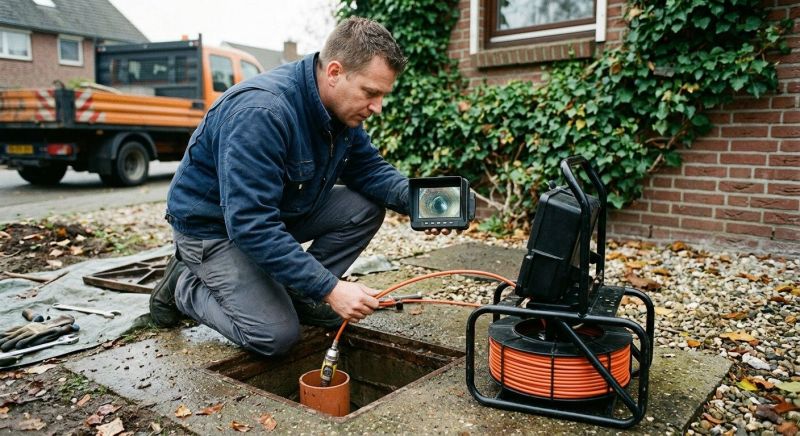
Drain Line Inspection Benefits
Helps identify blockages, leaks, and damage in underground drain systems.
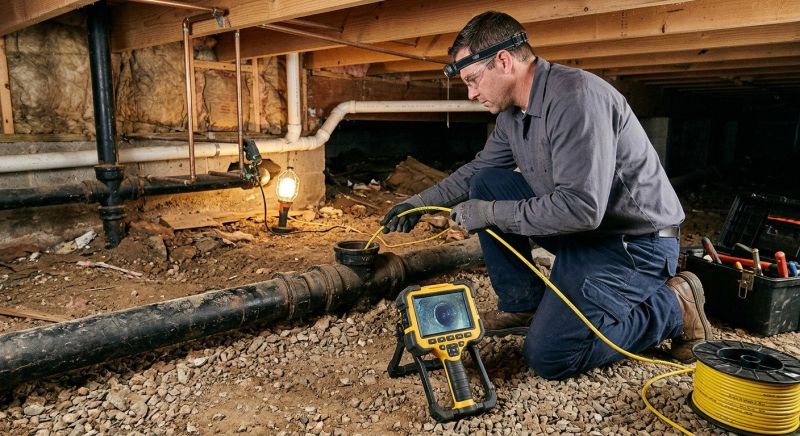
Common Inspection Situations
Used when experiencing slow drains, foul odors, or after pipe repairs in fairfax homes.
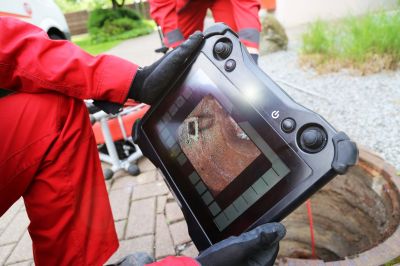
Inspection Techniques
Utilizes advanced cameras to provide detailed views of hidden drain lines without excavation.
Drain Line Inspection in Fairfax, VA
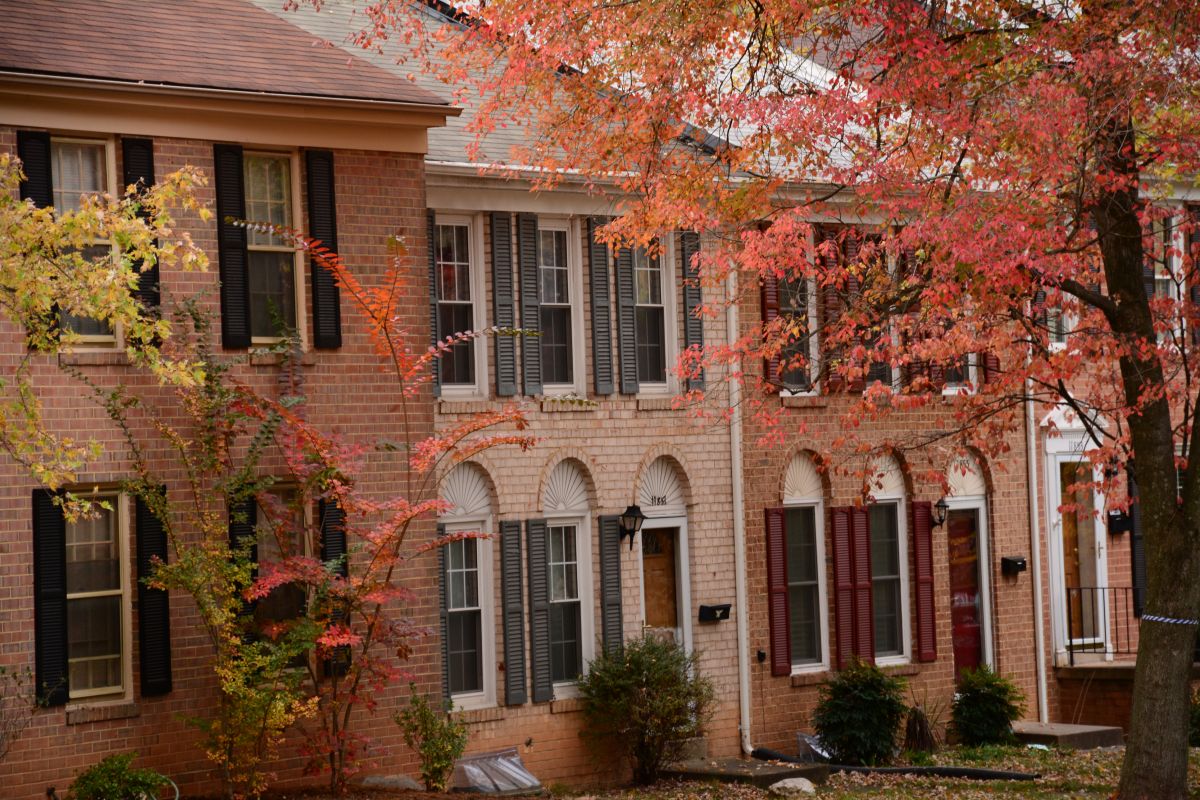
Drain line inspection services involve the use of specialized cameras to examine the condition of underground or hidden plumbing pipes. This service is commonly requested for projects such as identifying blockages, detecting leaks, locating damaged or collapsed pipes, and assessing the overall integrity of drain and sewer lines. Homeowners often seek drain line inspections when experiencing slow drains, foul odors, backups, or after noticing water pooling around their property, to better understand the cause of plumbing issues and determine the appropriate repairs.
Before requesting a drain line inspection, property owners typically want to know what areas will be examined, how the process works, and what kind of problems it can reveal. It’s also helpful to understand if the inspection can pinpoint the exact location of issues, which can assist in planning repairs or replacements. Clarifying these details can ensure that the inspection provides useful information to address drainage concerns effectively and efficiently.
Many property owners in Fairfax, VA look into Drain Line Inspection for repairs, replacements, upgrades, and appearance-related improvements.
Common Drain Line Inspection Jobs
Drain line inspections help identify blockages, leaks, and damage within underground pipes.
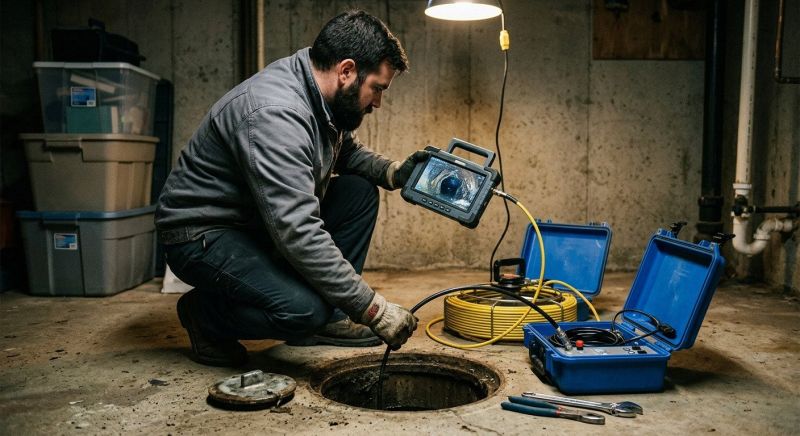
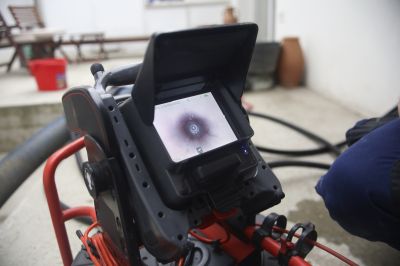
Camera inspections provide a detailed view of pipe conditions without excavation.
Clog detection reveals buildup or obstructions causing slow drains or backups.
Pipe condition assessments determine the integrity and lifespan of drainage systems.
Root intrusion checks locate invasive roots that may damage underground lines.
Preventive inspections can help avoid costly repairs by catching issues early.
Drain Line Inspection Questions
What is drain line inspection? Drain line inspection involves examining the interior of pipes to identify blockages, leaks, or damage that may affect proper drainage.
When should drain line inspection be considered? It is recommended when experiencing slow drains, recurring clogs, or before remodeling to assess pipe condition.
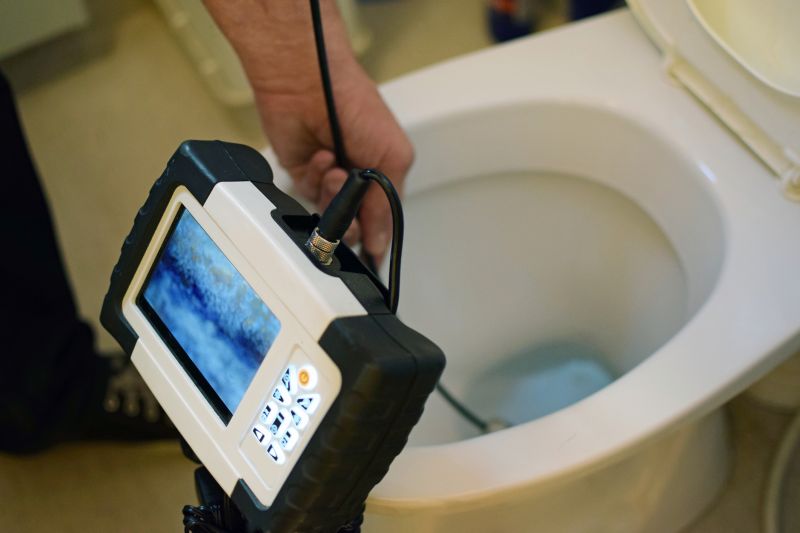
What methods are used for drain line inspection? Common techniques include video camera inspections that provide a clear view of the pipe interior.
How can drain line issues be prevented? Regular maintenance and timely inspections help detect problems early and maintain proper drainage.
Request Drain Line Inspection in Fairfax, VA
Use the quote form on this page to share the basics of your project and request more information for the type of work you need.